
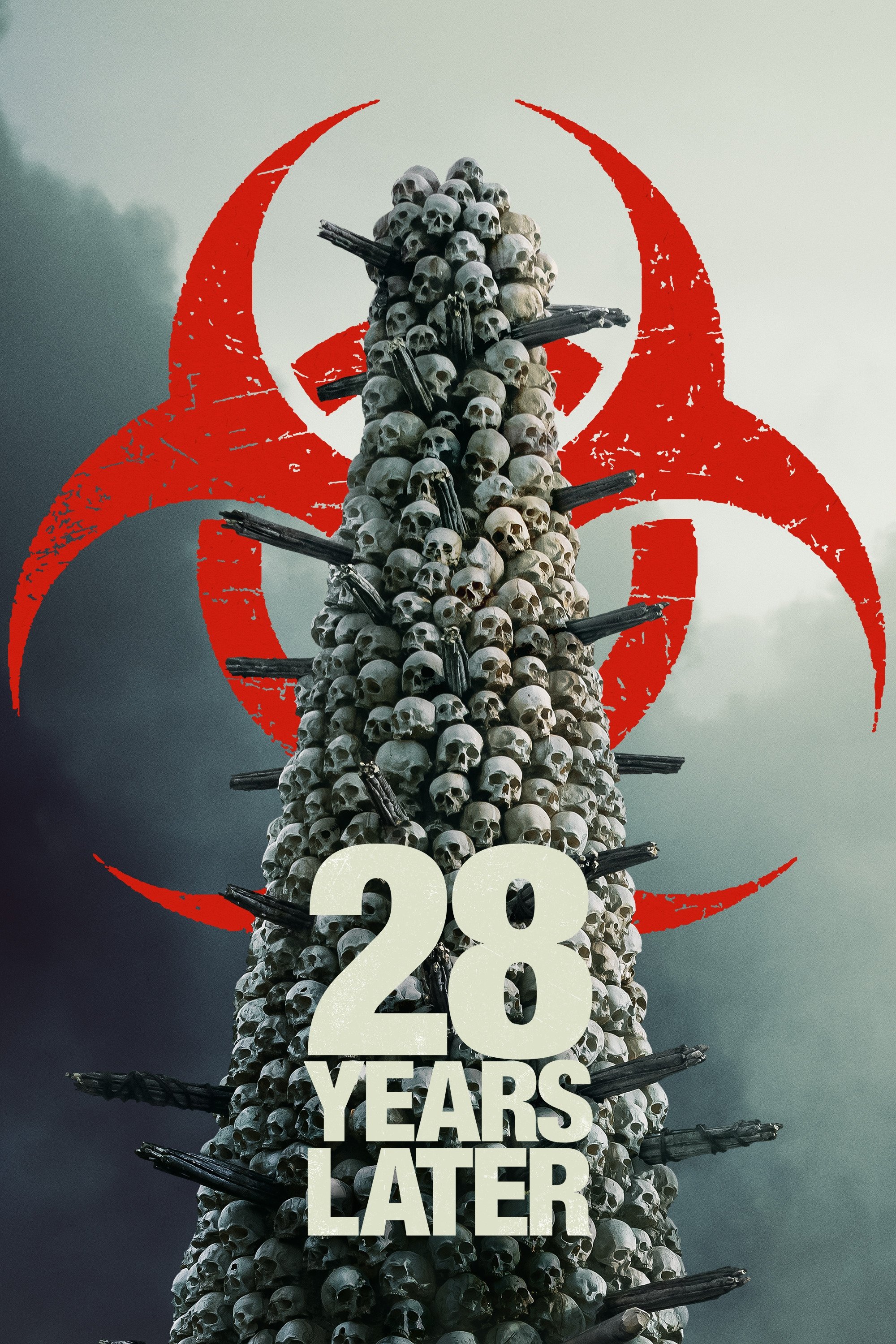
28 Years Later (2025): A Deep Dive into a Forgotten Sequel
The year is 2025. We're awash in superhero movies, dystopian futures, and reboots of everything from the 1980s to yesterday's breakfast cereal. Yet, nestled somewhere in the digital deluge, a film quietly celebrates its anniversary: 28 Years Later. Not the one you're thinking of. No, I'm talking about the unjustly overlooked, bafflingly under-discussed sequel to 28 Days Later…the one that never actually happened.
This blog post isn't a review of a film that exists. Instead, it’s a speculative deep dive into what a 28 Years Later (2025) could have been, a fictionalized critical analysis that explores the potential narrative threads and thematic explorations a hypothetical sequel might have tackled.
The Rage of Time: Exploring Potential Themes
A 2025 sequel wouldn't simply be about more infected. Twenty-eight years is a lifetime. The original's raw visceral horror could have given way to something far more chilling: the insidious legacy of the rage virus. Imagine:
* Generational Trauma: The children born after the outbreak, raised in a world still grappling with its aftermath. Would they inherit the primal rage, or would they develop a new, more calculated, perhaps even more terrifying response to the chaos of their inheritance? This offers rich potential for exploring societal breakdown and the cycle of violence.
* The Evolution of the Virus: The virus wouldn't have stayed stagnant. What mutations would twenty-eight years have brought? Would we see new strains, perhaps ones that are airborne, more contagious, or even exhibit different, unpredictable symptoms? This could have injected new layers of terror into the narrative.
* The State of Civilization: The original hinted at the potential for societal rebuilding. A sequel could have explored the reality of that rebuilding, revealing the fragility of new societies forged in the fires of apocalypse. Would they have been utopian havens or tyrannical dystopias built on the backs of survivors? This allows for potent social commentary on power, order, and the human condition.
* Technological Advancements (and their failures): Twenty-eight years would have seen advancements in science and technology. How would those advancements be used to combat the virus? Would they have inadvertently created new problems, unforeseen consequences, or simply been inadequate against the overwhelming threat?
A Director's Cut: Imagining the Visuals and Tone
A 28 Years Later (2025) could have leaned into a more atmospheric, less action-oriented approach. Imagine vast, overgrown landscapes where the remnants of civilization are swallowed by nature, a powerful visual metaphor for time’s relentless march. The film could have incorporated a more muted color palette, emphasizing the decay and the bleakness of the world.
The score would be equally crucial, moving away from the frantic intensity of the original towards a more melancholic and unsettling soundscape. The silence, the unsettling quiet punctuated by the distant sounds of nature reclaiming its territory, could have been as terrifying as any infected horde.
The Unmade Masterpiece?
While 28 Years Later (2025) remains a phantom, a fascinating "what if" scenario, its absence allows us to explore the potential of long-term consequences in post-apocalyptic narratives. It reminds us that the true horror might not always be in the immediate threat, but in the lasting scars, the lingering effects of a world irrevocably changed. Perhaps, in a way, the film's non-existence is the most chilling aspect of all. It leaves us with the unsettling feeling that the rage, in one form or another, never truly dies.