
Smurfs: The Next Generation – A Deep Dive Beyond the Blue
The year is 2025. We've seen CGI Smurfs, live-action Smurfs, and even Smurfs in... well, let's not dwell on the less successful iterations. But now, a new Smurfs movie has arrived, promising a fresh take on the beloved franchise. This isn't your grandpappy's Smurf village (unless your grandpappy is a surprisingly insightful animation critic). This is Smurfs: The Next Generation, and it’s surprisingly… complex.
This review isn't about simply summarizing the plot – you can find that anywhere. Instead, we'll delve into the themes, character development, and animation techniques that set this film apart, exploring what makes it both a nostalgic trip and a surprisingly relevant commentary on modern life.
Beyond the Mushroom Houses: Exploring Themes of Identity and Belonging
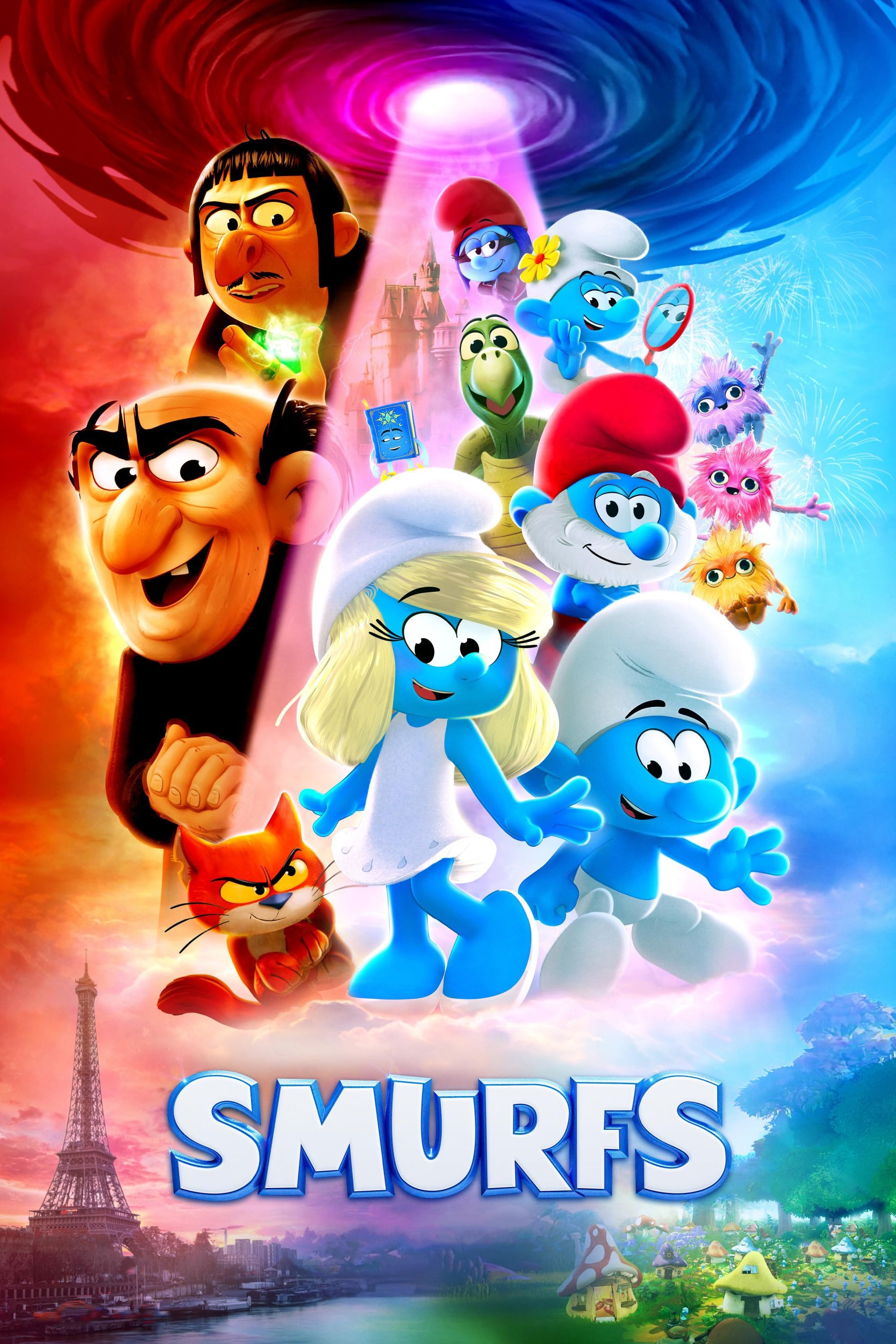
Forget the simplistic "good vs. evil" narrative of previous installments. Smurfs: The Next Generation tackles the anxieties of a younger generation grappling with self-discovery. We see Smurfette, no longer the damsel-in-distress trope, wrestling with her unique position within the village. Papa Smurf, while still wise, is shown struggling with the changing dynamics of the community and the pressure of maintaining tradition in a rapidly evolving world. This isn't just about Gargamel anymore; it's about internal struggles and the challenges of finding one's place in a society that's constantly shifting.
Animation and Visual Storytelling: A New Era of Smurfiness
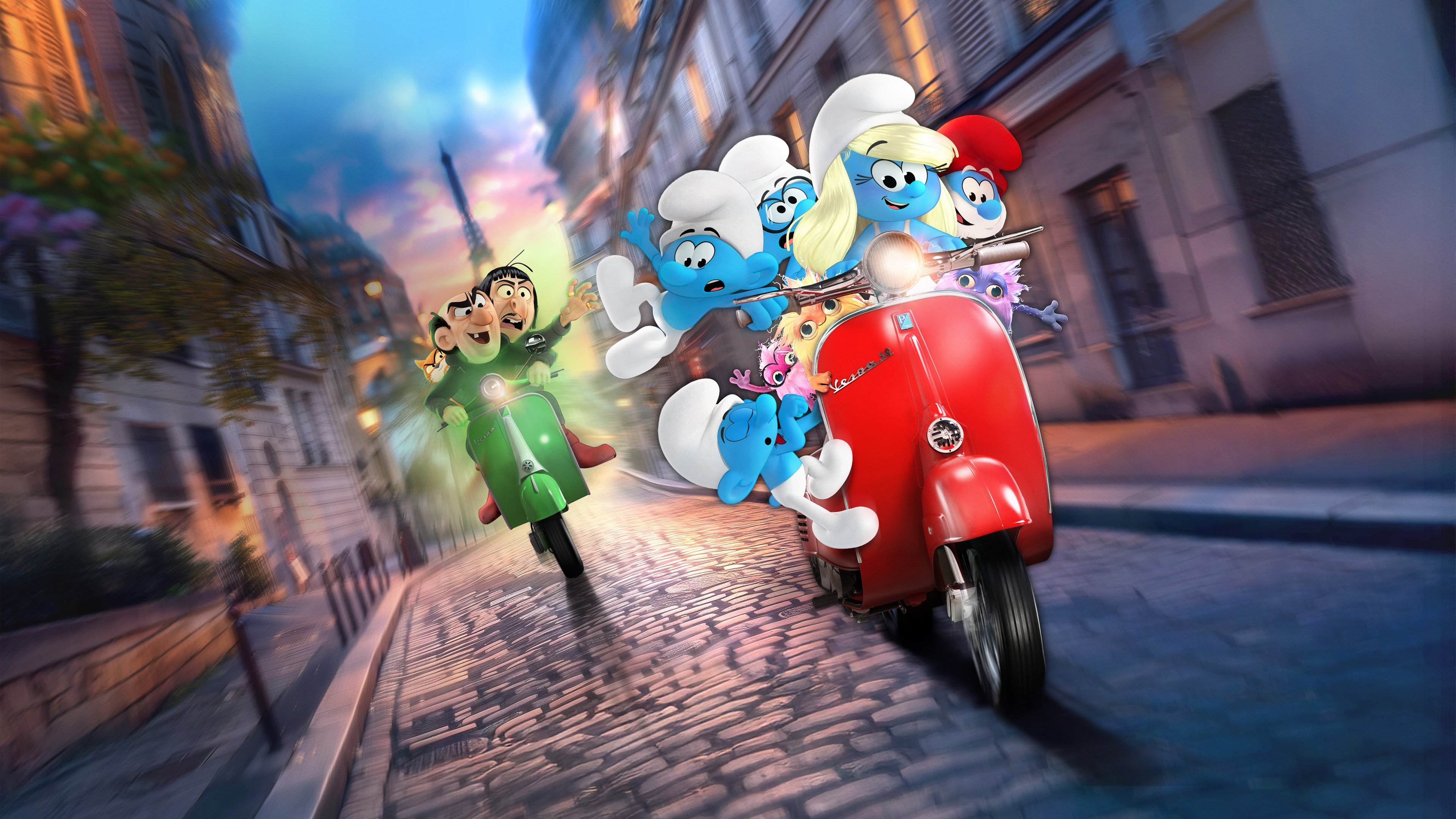
The animation style is a bold departure from previous films. Gone is the sometimes-uncanny valley feel of previous CGI attempts. Instead, Smurfs: The Next Generation utilizes a vibrant, almost painterly aesthetic, reminiscent of classic animation but with the detail and fluidity of modern techniques. The landscapes are lush and detailed, showcasing a Smurf village that feels both familiar and excitingly new. The animation doesn't just serve the story; it becomes part of the storytelling, enhancing the emotional depth and impact of the narrative.
Character Development: More Than Just Blue Faces
Each Smurf feels distinctly individual. We see Clumsy grapple with his insecurities in ways that resonate deeply, moving beyond simple slapstick. Brainy's brilliance is explored through a lens of self-doubt and social awkwardness, making him a surprisingly relatable character. Even Gargamel, while still the villain, is portrayed with a level of nuance that makes his motivations more understandable, even if not necessarily forgivable. This depth of characterization is a breath of fresh air for a franchise that sometimes relies on surface-level personalities.
A Surprisingly Relevant Message:
The film subtly touches upon themes of environmentalism, societal pressures, and the importance of embracing individuality. It's a surprisingly potent message, woven seamlessly into the narrative without ever feeling preachy or forced. This unexpected depth allows the film to connect with a broader audience, transcending its seemingly childish premise.
Final Verdict:
Smurfs: The Next Generation is more than just a children's movie. It's a surprisingly mature and emotionally resonant film that uses the familiar faces of the Smurfs to explore universal themes of identity, belonging, and self-discovery. With its stunning animation, compelling characters, and surprisingly thoughtful narrative, this is a film that will appeal to both longtime Smurfs fans and newcomers alike. It’s a worthy successor to the franchise, and a testament to the power of thoughtful storytelling, even within the seemingly simple world of little blue creatures.