
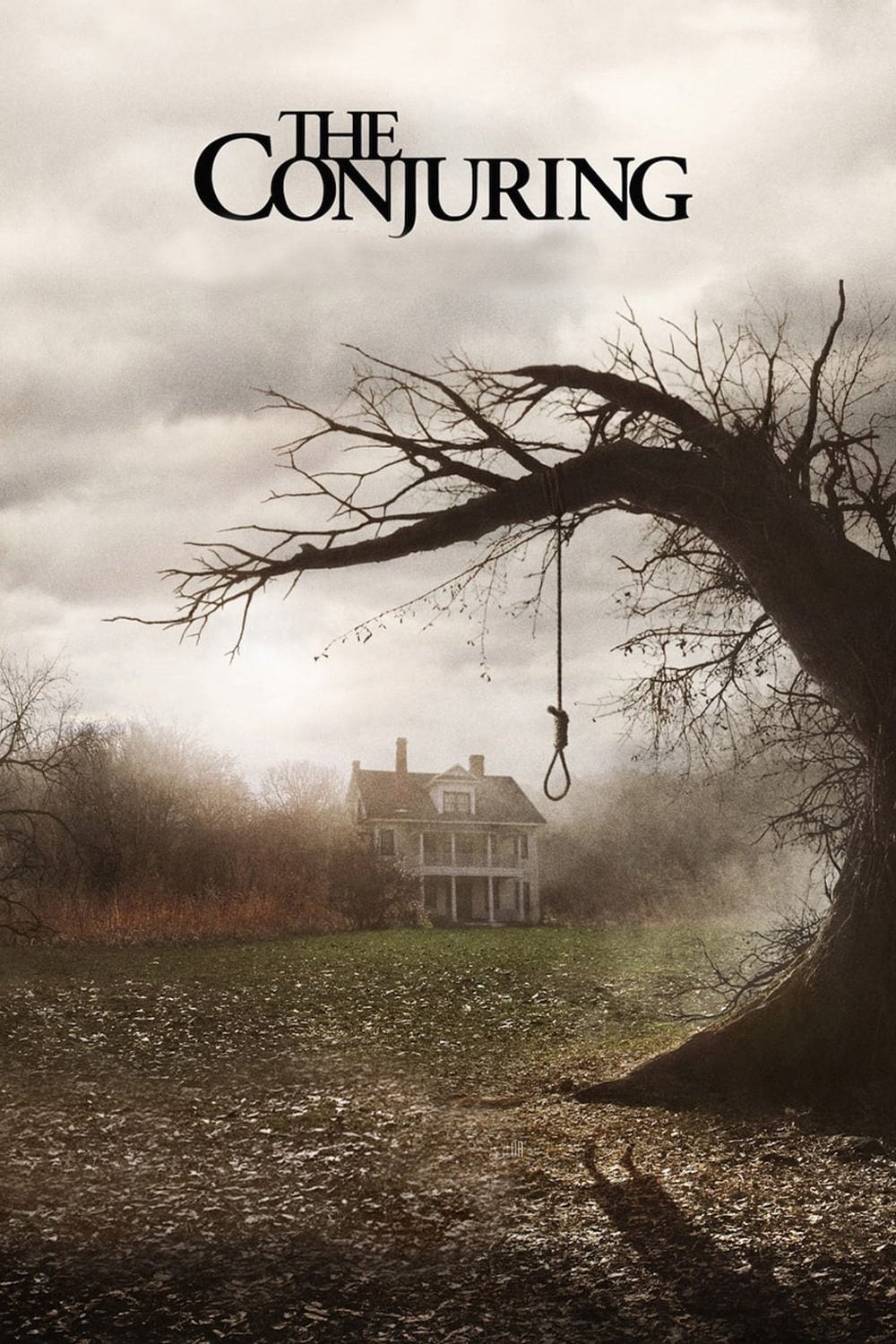
Beyond the Boogeyman: A Deep Dive into the Terrifying Effectiveness of The Conjuring (2013)
The Conjuring (2013) isn't just another haunted house movie; it's a masterclass in building dread, a film that understands the primal fear nestled deep within our subconscious far better than most horror flicks dare to attempt. While jump scares are present, they serve as punctuation to a larger narrative meticulously crafted to unsettle and genuinely disturb. This isn't a review simply praising the scares; it's an exploration of why it works so damn well.
The Power of Restraint: Less is More (Much, Much More)
One of The Conjuring's greatest strengths lies in its restraint. Unlike many modern horror films that overload the audience with relentless CGI gore and chaotic editing, James Wan utilizes a slow burn approach. The film takes its time, allowing the atmosphere to thicken, the suspense to build organically. The seemingly mundane details – the creaking floorboards, the unsettling whispers, the flickering lights – become far more terrifying than any demonically possessed object could ever be. This deliberate pacing allows the audience to truly inhabit the Perron family's fear, making the eventual confrontations exponentially more impactful.
More Than Just Ghosts: Exploring Family Dynamics and Faith
Beyond the supernatural elements, The Conjuring explores the core of family dynamics and the unwavering faith of the Warrens. The Perron family's struggle to maintain stability amidst the escalating paranormal activity resonates deeply. Their internal conflicts – fear, skepticism, and ultimately, love – become intertwined with the external threat, creating a compelling narrative that transcends the typical haunted house trope. The portrayal of Ed and Lorraine Warren, far from being stereotypical paranormal investigators, showcases their genuine compassion and belief, making their involvement feel authentic and grounding the fantastical elements in a tangible reality.
The Genius of Sound Design and Cinematography:
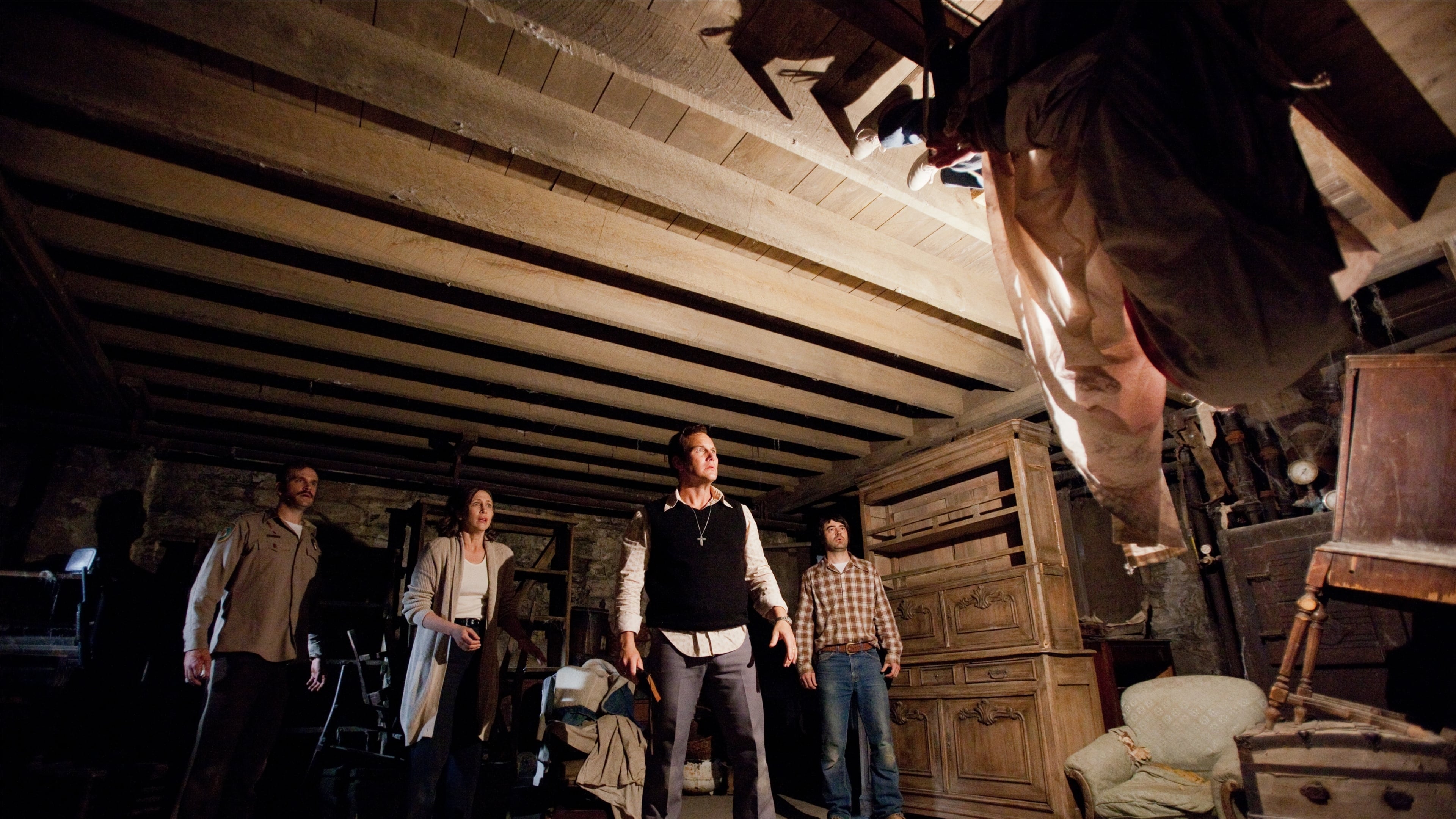
The film’s masterful use of sound design deserves particular mention. The subtle creaks, whispers, and unsettling noises create a palpable sense of unease long before anything overtly terrifying appears on screen. This masterful manipulation of sound, coupled with Michael Burgess's chilling score, constantly keeps the audience on edge, even in seemingly quiet moments. The cinematography, too, is impeccable, using darkness and shadows effectively to create a feeling of claustrophobia and vulnerability. The framing consistently focuses on the characters' expressions and reactions, emphasizing their terror and emphasizing the realistic element of fear and disbelief.
Beyond the Jump Scares: A Lasting Impression
While The Conjuring certainly delivers its share of jump scares, their effectiveness stems from the meticulous build-up. They aren't cheap thrills; they're expertly placed punctuation marks in a symphony of dread. The film's lasting impact comes not from its fleeting moments of terror, but from the sustained atmosphere of unease and the genuine emotional investment in the characters’ plight. It lingers in your memory long after the credits roll, a testament to its masterful storytelling and understanding of what truly frightens us.
Ultimately, The Conjuring succeeds not because of its reliance on conventional horror tropes, but because of its skillful subversion of them. It’s a film that understands the power of suggestion, the potency of silence, and the enduring terror of the unknown. It's a film that deserves its place among the greats of the horror genre, and one that will continue to unsettle and fascinate audiences for years to come.