
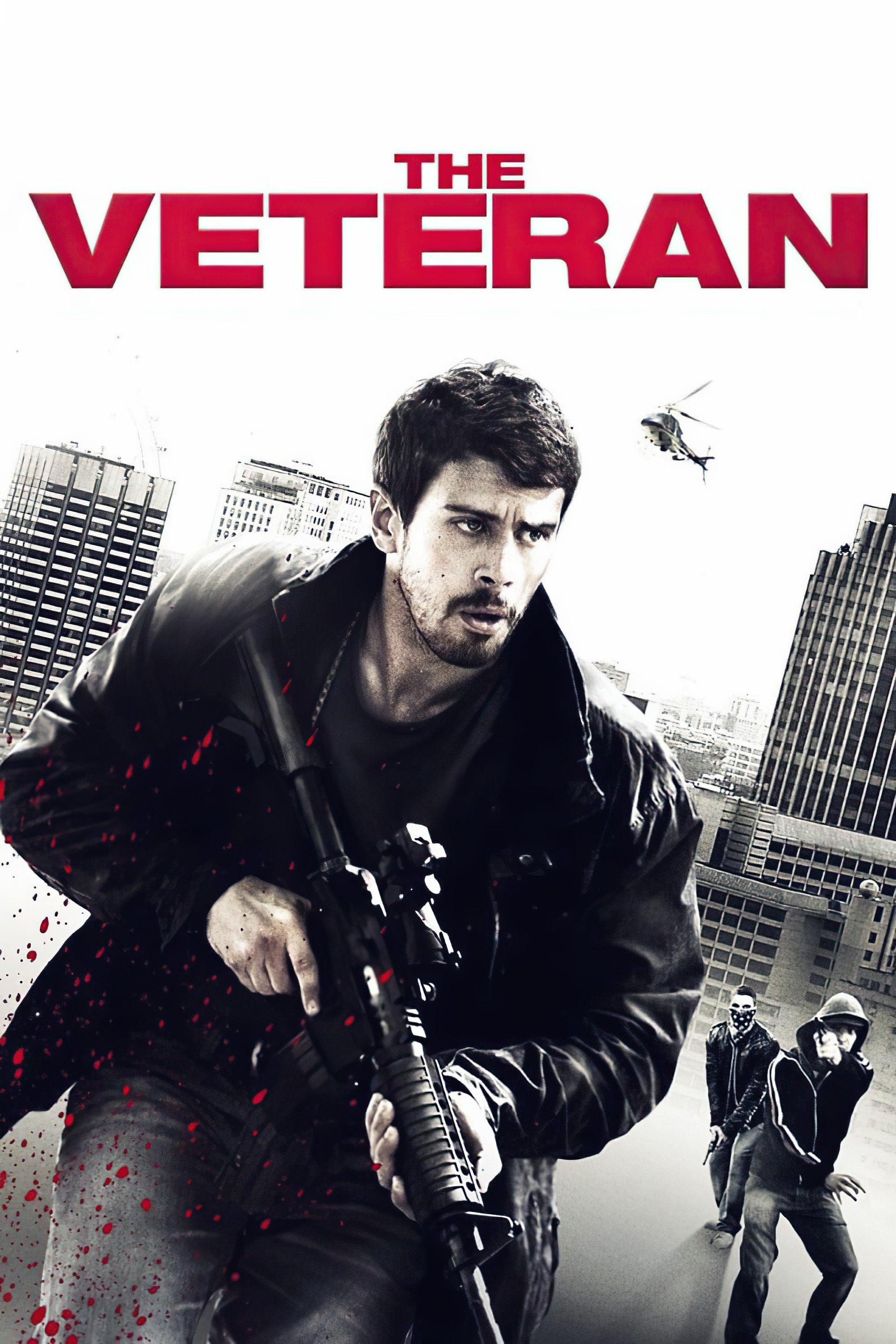
The Veteran (2011): A Deep Dive into Grit, Trauma, and the Unseen Scars of War
The 2011 film The Veteran isn't your typical war movie. It eschews the bombast and glory often associated with the genre, instead focusing on the quiet, agonizing aftermath of combat and the insidious nature of PTSD. This isn't a film about heroic battles; it's a film about the invisible war fought within the soul of a soldier long after the guns have fallen silent. This deep dive will explore what makes The Veteran unique, going beyond simple plot summary to dissect its compelling portrayal of trauma and its surprisingly nuanced characters.
Beyond the Battlefield: A Study in Internal Conflict
The film centers on Colonel Lucas (played with restrained intensity by Sam Shepard), a decorated Vietnam War veteran struggling to readjust to civilian life. His outward demeanor suggests a man who has conquered his demons, but beneath the surface lies a simmering rage and a profound inability to connect with the world around him. Unlike many war films that portray PTSD as a clear-cut diagnosis with readily apparent symptoms, The Veteran subtly reveals Lucas's condition through his actions, his silences, and the fractured relationships that define his existence. His interactions with his family are strained, his attempts at reintegration are clumsy, and his detachment serves as a constant reminder of the emotional wall he's erected around himself.
More Than a Military Thriller: Exploring Themes of Isolation and Redemption
The Veteran transcends the typical military thriller framework by focusing on the complex emotional landscape of its protagonist. The film skillfully avoids portraying Lucas as a villain or a victim, instead presenting him as a deeply flawed, yet ultimately sympathetic, individual battling the invisible wounds of war. He's isolated not only by his trauma but also by the societal disconnect that often plagues returning veterans. His struggles to communicate his experiences and find solace are heartbreaking and acutely relatable. The film cleverly uses flashbacks not merely as exposition, but as windows into Lucas's fractured psyche, showcasing the psychological toll of his experiences and how they shape his present.
A Unique Perspective: Eschewing Patriotic Glorification
What sets The Veteran apart is its refusal to glorify war or romanticize the soldier's experience. It presents a stark, unflinching portrayal of the devastating consequences of conflict, both physical and psychological. The film doesn't shy away from the darkness, the moral ambiguities, and the lingering trauma that continue to haunt its protagonist long after he's returned home. This lack of patriotic glorification allows for a more nuanced and realistic depiction of the veteran experience, acknowledging the complexities and challenges faced by those who have served.
A Quiet Power: The Subtleties of Performance and Direction
Sam Shepard's performance is the film's anchor, conveying a vast range of emotions through subtle gestures and restrained expressions. The director's choice to focus on quiet moments, rather than explosive action sequences, amplifies the film's emotional impact. The understated cinematography and deliberate pacing create a palpable sense of unease and tension, reflecting the internal turmoil experienced by Lucas.
Conclusion: A Must-See for its Unflinching Honesty
The Veteran is not a film for those seeking explosive action or easy answers. It's a film that demands attention, empathy, and a willingness to confront the uncomfortable truths about the lasting impact of war. Its quiet power and unflinching honesty make it a powerful and unforgettable cinematic experience, a must-see for anyone interested in a realistic and deeply moving portrayal of PTSD and the challenges faced by veterans returning from conflict.